Commercial Waste Removal in Shoreditch
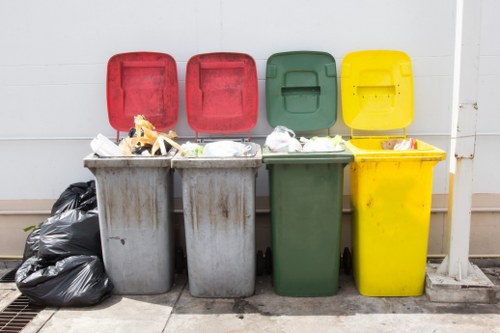
Commercial waste removal in Shoreditch needs to be organised, practical and suited to premises that generate a steady mix of bags, packaging, office contents and trade waste. We provide a focused service for businesses that want collections arranged around their site, their stock movement and their opening hours, with clear handling of what can be taken, sorted and sent onward for recovery or disposal. The aim is straightforward: remove waste without slowing the working day and keep the process easy to manage.
Our work can cover recurring collections, one-off clearances and larger disposal jobs from shops, studios, offices, hospitality spaces and managed buildings. The service is centred on commercial premises in Shoreditch and is suited to clients who need a dependable way to deal with general business waste, bulky items and mixed loads that do not belong in ordinary domestic collections. If you are comparing options, you can use the pages below to see the main service areas and find the most relevant route for your enquiry.
For an initial discussion, it helps to set out what type of waste you have, how often it builds up and whether access is simple or restricted. If you already know the broad job type, a quote request can usually be shaped around that. See pricing and quotes for a useful overview, then ask for a quotation when you are ready.
Business Waste Collections for Ongoing Premises
Many commercial sites need waste removed on a regular basis rather than as a once-only clearance. That can include offices, retail units, small workspaces, hospitality back-of-house areas and shared commercial buildings where rubbish accumulates in staged areas before collection. We handle routine commercial waste removal in a way that keeps the operation simple: bins or load points are cleared, materials are separated where appropriate, and the site is left ready for the next working cycle. The service is designed for everyday business waste rather than domestic-style rubbish removal.
Where regular collections are needed, the practical questions are usually volume, access and the make-up of the waste stream. General waste, cardboard, mixed recyclables and bulky items may all require different handling, and not every site produces the same pattern from week to week. That is why it helps to describe the materials as clearly as possible. You can use business waste removal to focus on the core service, while waste removal gives a broader view of what we can take on commercial premises.
Planning around access and collections
Commercial waste work often depends on how the site is accessed. Loading bays, stair-only properties, shared entrances, lift access and narrow delivery points can all affect how the job is organised. When a collection is planned well, there is less need for disruption once the team arrives. It also becomes easier to decide whether the job is best treated as a standard waste collection, a bulk uplift or a more careful clearance involving separate sorting of items.
Office Waste and Workplace Clearances

Offices in Shoreditch can produce a wide range of waste beyond everyday bin contents, from packaging and paper to old chairs, storage units and redundant equipment. Office waste removal is therefore often more than simply emptying a bin store. It may involve moving items out of meeting rooms, clearing out back offices, separating items for reuse or recycling, and dealing with objects that have built up after a reorganisation or tenant change. We can support clearances that are tidy, efficient and suitable for occupied workplaces.
Where a workplace needs a fuller service, it may be helpful to think about the type of items before arranging collection. Paper-heavy waste, IT-related items, desks, shelving and mixed furniture each bring different handling needs. If you need a more dedicated workplace service, office clearance is the most relevant page, while confidential shredding may matter where secure disposal of paper records is part of the job. For a broader mix of contents, flat clearance can be useful where the property type or contents are more varied.
When a clearance is being arranged, practical preparation is usually better than overthinking the process. A short list of what stays and what goes is often enough to start, and photographs can help where the space is cluttered or the items are spread across several rooms. If the job involves staff areas, desks or storage rooms, it is worth identifying anything that must be left untouched. A clear brief helps us organise the work properly, especially where the removal needs to sit around trading hours or building rules.
Bulky Items, Furniture and Internal Uplifts
Commercial premises often need help with bulky items that are awkward to move, too large for ordinary collections or no longer suitable for daily use. That may include desks, cupboards, office chairs, shelving, reception furniture, display fittings and other commercial contents that have reached the end of their useful life. We treat these as part of a structured removal rather than as random household-style junk, which makes it easier to handle pieces safely and direct them towards appropriate disposal routes.
For businesses updating their interior layout, the removal of bulky items is often tied to refurbishments, relocations or seasonal changes. In those situations, timing matters as much as volume. A site may need an old set of fixtures removed before new ones arrive, or a back-of-house area cleared to give contractors space to work. Useful related pages include furniture clearance and furniture disposal, while mattress and sofa disposal is relevant where upholstered items appear in mixed commercial loads.
Not every bulky-item job needs a full property clearance. Sometimes the most efficient approach is to remove only the items that are blocking storage, access or refurbishment work, while leaving everything else in place. That can reduce disruption and keep the site usable. Where a business wants to replace old fittings or empty a room for a new layout, the key is to separate what is being removed from anything that must stay on site. Careful sorting saves time later and makes the disposal step more straightforward.
Trade Waste, Waste Streams and Site-Specific Sorting

Commercial waste is rarely just one material type. A single site can produce cardboard, packaging wrap, broken furniture, offcuts, mixed rubbish and items that need special handling because of their size or contents. We can help customers manage that variety without turning the job into an overly complicated process. The main aim is to understand what is present, what can be moved together and what should be kept separate. That makes the collection more efficient and the disposal route more appropriate.
Some businesses prefer a straightforward uplift of mixed loads, while others want more detailed separation where recyclable material and general waste are kept apart. Both approaches can be practical, depending on the premises and the volume involved. If you are comparing service types, recycling and sustainability explains the sorting side in more detail, and hazardous waste disposal is there for materials that need a more careful route. The page for what can go in a skip may also help when you are deciding how to classify a mixed load.
What to note before you request a quote
There are two useful details to prepare for a quote: the approximate quantity and the main category of waste. If the load includes bulky furniture, mixed office contents or items with special handling needs, say so early. It is also useful to mention whether there are stairs, lifts, limited parking or time windows for access. That information does not need to be exhaustive, but it should be enough to describe the job accurately and avoid unnecessary back-and-forth.
Retail, Hospitality and Customer-Facing Premises
Shoreditch has many premises where waste builds up quickly behind the scenes even when the public-facing area stays tidy. Shops, cafés, bars, restaurants, studios and showrooms often need the back-of-house area cleared of packaging, worn furniture, display materials and general commercial rubbish. We provide waste removal that works around that kind of operation, with attention to access points, busy times and the need to keep customer areas unaffected. The work can be arranged as a one-off clearance or as part of an ongoing waste plan.
For these sites, one useful decision is whether the job is mainly about rubbish removal or about a broader clear-out of fixtures and contents. A site refresh might involve the removal of old seating, shelves, counters or storage units, while a trading area may only need mixed waste and packaging taken away. Where that distinction matters, home clearance is not the right fit for a commercial premises, but garage clearance can sometimes mirror the same practical approach to an out-of-the-way storage area. For full commercial focus, builders waste clearance is the better route when the load comes from fit-out or refurbishment work.
It is often helpful to group items before the collection day, but only where doing so will not interrupt trading or create extra handling work. A clear pile of waste, a separate stack of reusable items and a note about anything fragile can make the collection more orderly. If the premises has a staff-only yard, a locked bin store or a shared service corridor, saying so in advance helps keep the process calm and efficient. Simple preparation often matters more than long explanations.
About Shoreditch
Shoreditch is an inner London district in the East End, known for a layered history that runs from a medieval parish and early modern entertainment quarter to a long period of industry, warehousing and later redevelopment. The area sits within the London Borough of Hackney, close to the edge of the City of London, and its street pattern still reflects older routes alongside more recent changes. Shoreditch High Street, Old Street and the lanes around Curtain Road and Redchurch Street form part of a dense urban landscape where converted warehouses, newer commercial buildings and surviving older structures sit side by side. The district has long been associated with theatres, workshops, printing, clothing and small-scale manufacturing, and those uses helped shape its built fabric in ways that remain visible today. Cultural life is also a major part of the area’s identity, with galleries, music venues, independent shops and food businesses contributing to a lively street scene. Architecture in Shoreditch ranges from historic churches and Victorian commercial buildings to post-war redevelopment and contemporary office schemes, which gives the area an uneven but distinctive character. Public spaces and routes such as Shoreditch Churchyard and nearby pedestrian connections provide moments of relief within the tighter urban grain, while the wider neighbourhood continues to change through business activity, residential growth and creative reuse of old premises.
Clearance for Moves, Refits and Empty Rooms
Commercial waste removal is often linked to a change in how a property is used. A business may be leaving a site, moving upstairs, fitting out a new unit or stripping out old contents before a redesign. In those cases, removal work needs to be more orderly than an ordinary rubbish collection because there may be a mix of reusable items, recycling, broken fittings and waste that has accumulated in hard-to-reach corners. We can help with the practical side of emptying spaces in a controlled way.
Where a job involves a fuller emptying of the premises, the useful question is not simply how much there is, but what should happen to each group of items. Documents, electronics, desks, chairs, shelving, soft furnishings and packaging may all need different handling. The relevant service page will depend on the setting: loft clearance can be useful for upper-storey storage, while house clearance is more suitable for domestic properties. For commercial projects, builders waste clearance and fridge and appliance removal cover specific items that may appear during a refit or closure.
Choosing the right level of service
The right approach depends on whether the site needs a simple waste uplift, a mixed-item clearance or a more structured removal of fittings and contents. A small back-room clear-out may be finished with a basic collection, whereas a larger unit with heavy furniture, stock remnants or damaged items may need a more planned visit. If the site is still trading, the arrangement should support that rather than interrupt it. Where the situation is uncertain, it is often best to describe the space room by room or area by area.
Business Waste Removal in Shared and Managed Buildings
Shared buildings, managed estates and multi-occupancy commercial spaces can create waste issues that are slightly different from a single-unit site. Materials may be stored in communal corridors, bin stores or service yards before removal, and access may depend on building rules or timed entry. We provide business waste removal that can fit those surroundings, with a practical focus on how the load is collected and how the site is left once the work is done. The service suits businesses that want a straightforward way to clear accumulations without overcomplicating the arrangement.
In managed premises, the main decisions usually concern responsibility, timing and what should happen to bulky or mixed items. A tenant may need to clear the contents of a room before handing it back, or a landlord may want a storage area emptied after a change of occupier. If that is your situation, the most relevant pages are about us for a little more background, contact us for making an enquiry and book online if you already know the job details and want to move things forward.
To make a quotation easier to prepare, keep the brief focused on the load itself and the site conditions around it. A few photos can be useful, but they are not the whole story; what matters is whether the waste is loose, bagged, stacked or mixed with fixtures. If you are dealing with a deadline, shared access or a specific handover point, say that clearly. Good information at the start usually leads to a smoother collection, and it helps us match the service to the premises rather than forcing the site to adapt to the service.
Waste Types, Disposal Routes and Reusable Material
Commercial waste removal is not only about taking things away; it is also about choosing the right disposal route for the items involved. Some materials are straightforward mixed waste, while others can be separated for recycling, reuse or specialist treatment. That distinction matters because a well-managed load is easier to move and easier to direct onwards appropriately. We can help with the common categories found in offices, shops and workspaces, and we can also deal with mixed loads where several material types appear together.
Different items suit different pages because they need different handling. For example, garage clearance can be relevant where storage has built up around a commercial premises, while fridge and appliance removal focuses on white goods and refrigeration equipment. Where more general business material is involved, business waste removal remains the core route, and recycling and sustainability is useful if the sorting and onward handling of recoverable material is a priority for your site.
Commercial customers often want a service that feels efficient but not rushed. That is why it helps to state whether the waste is being gathered from one room, a yard, a storage area or several floors. A neat list of items can be useful, but so can a simple description of the area to be cleared. If you are ready to move ahead, ask for a quotation and tell us what needs removing, where it is located and how access works. The more accurate the brief, the easier it is to set up the right collection.